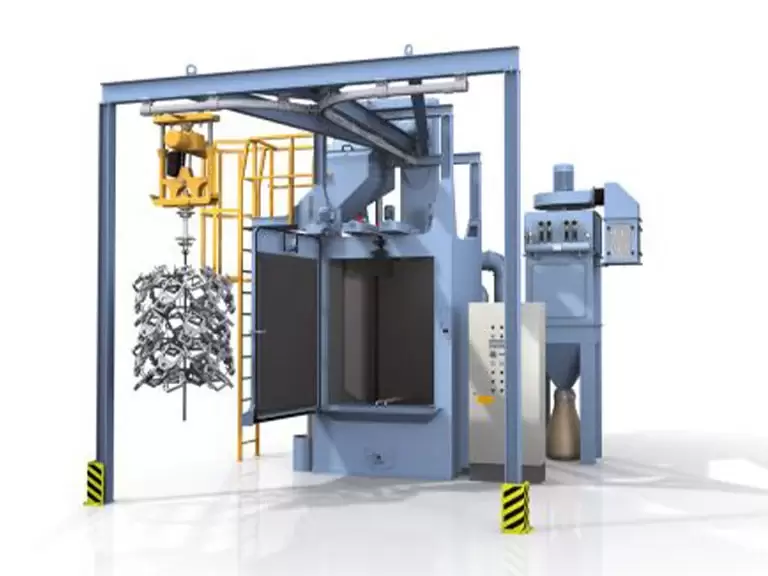
Wrong shot blasting machine selection increases cost, power use, and breakdowns. This guide helps you choose the right machine based on casting size, output, and shop layout. All points are from field practice.
What a Shot Blasting Machine Does
- Removes sand and scale
- Improves surface finish
- Prepares castings for painting
- Improves fatigue life
- Cuts manual cleaning cost
Step 1. Fix Your Casting DataConfirm these before talking to any supplier.
- Maximum casting size in mm
- Maximum casting weight in kg
- Daily production in kg or tons
- Type of sand
- Required surface finish
- Available floor space
ExampleValve body. 18 kg. 800 pieces per shift. Hanger type fits best.
Step 2. Select the Right Machine Type
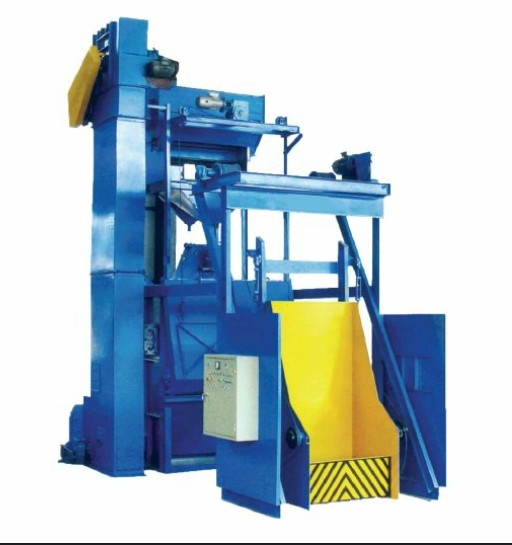
Thumble Type
- For small castings
- Bulk loading
- Low machine cost
- Not for fragile parts
Hanger Type
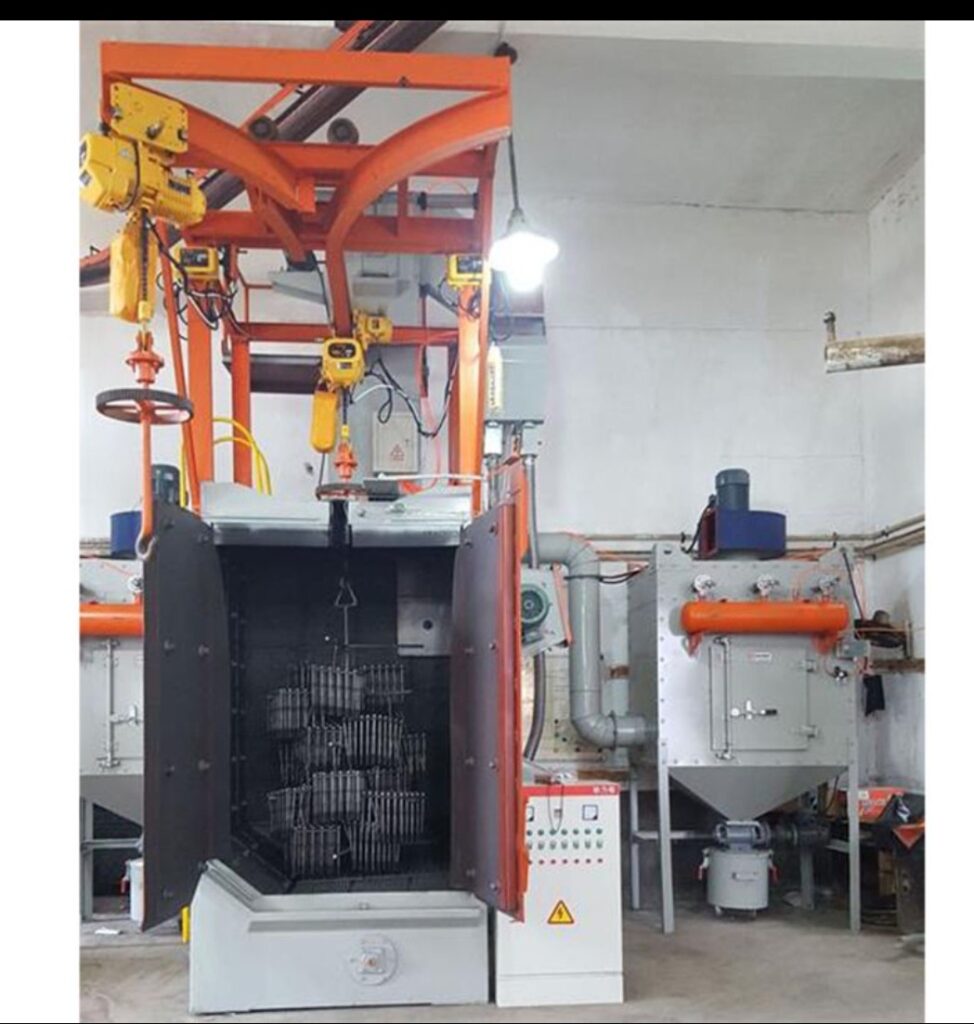
Hanger Type
- For medium and large castings
- Valves, pumps, auto parts
- Best cleaning quality
- Higher initial cost
Table Type
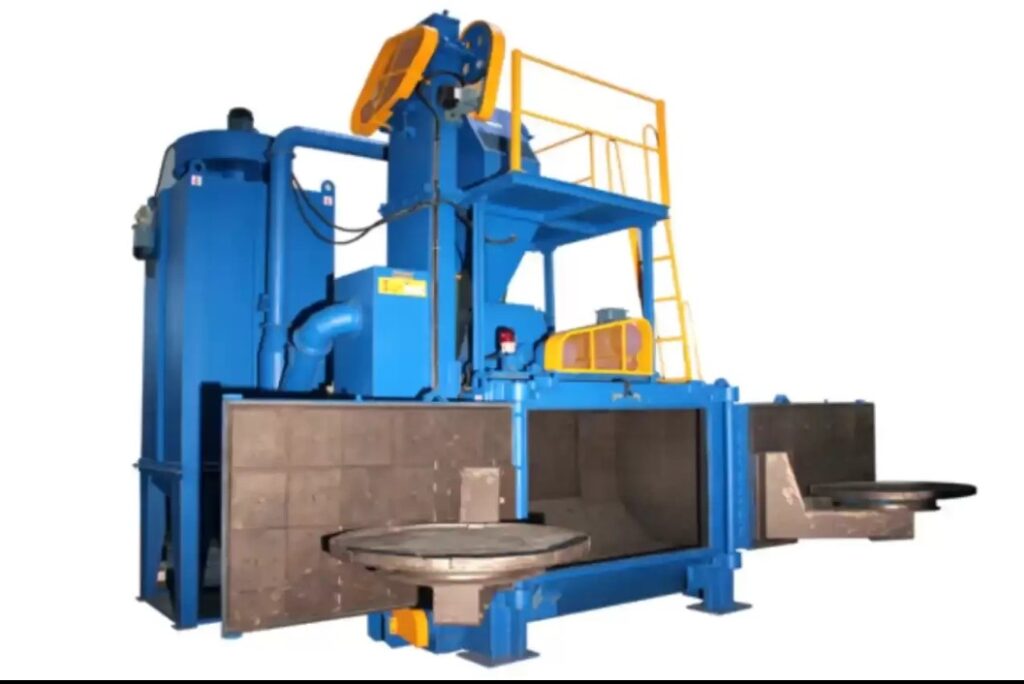
Table Type
- For flat and heavy jobs
- Controlled blasting
- Low loading quantity
Roller Conveyer Type
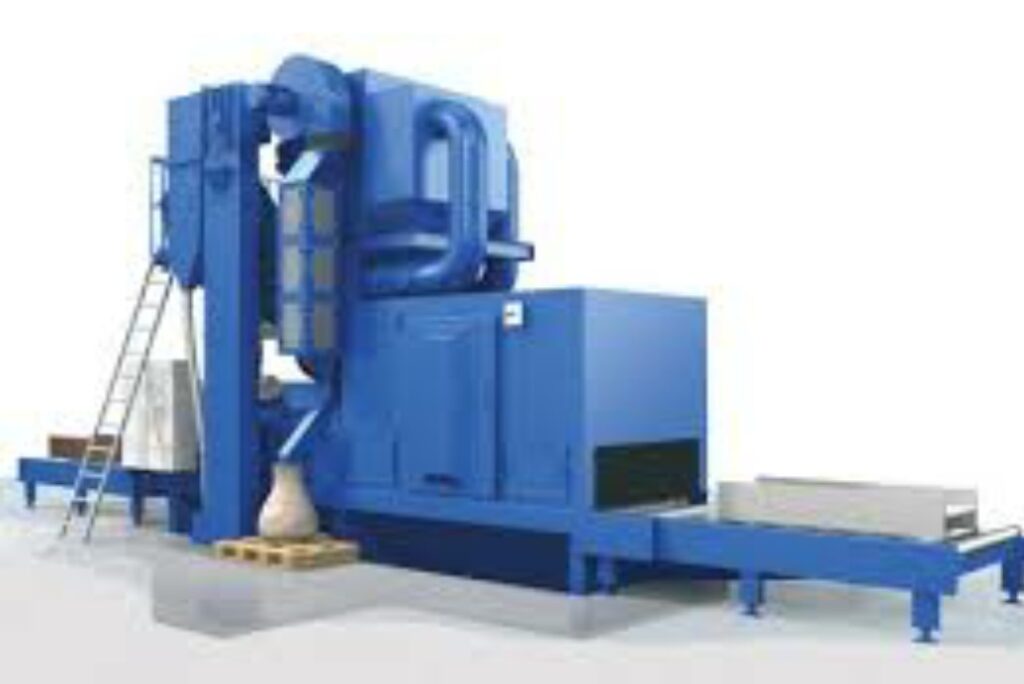
Roller Conveyor
- For plates and beams
- Continuous output
- Fully automatic
- High power load
Step 3. Select Correct Chamber Size RuleChamber must be at least 20 percent bigger than the maximum job size on all sides.
ExampleCasting size 900 x 600 x 400 mmMinimum chamber 1100 x 800 x 600 mm
- Tight chambers cause
- Poor cleaning
- Difficult maintenance
- High liner wear
Step 4. Select Turbine Power and Quantity Power rule
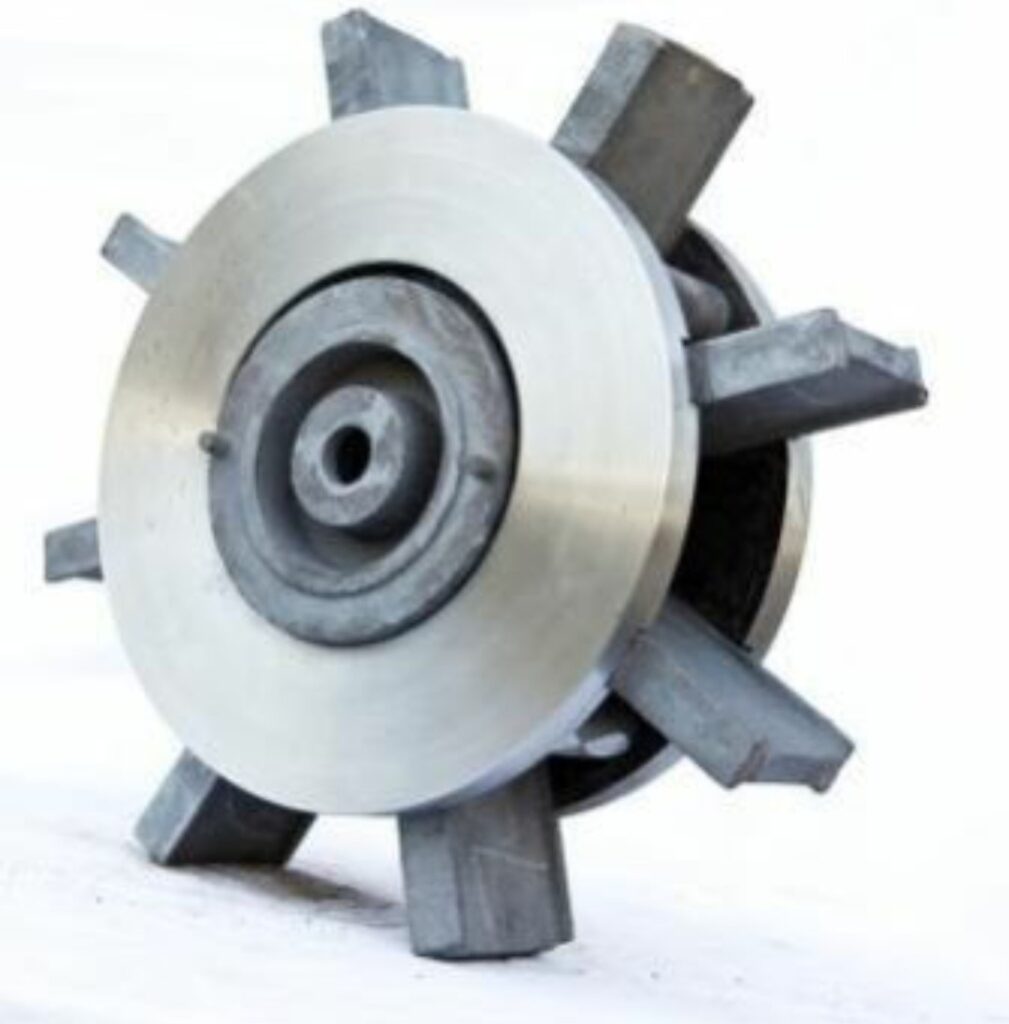
- Light rust or thin sand. 7.5 to 12.5HP per turbine
- Heavy sand and scale. 15 to 20 HP per turbine
More turbines give
- Faster Cycle Time
- Better Coverage
- Higher Power Cost
- Never reduce turbine count to save money. Output will drop.
Step 5. Abrasive Selection

Steel Shots for
- S170 to S330 for castings
- Longer Life
- Stable Finish
Steel Grit for
- Used for rough surface
- Used in mix with shot
- Avoid low hardness abrasives. They increase dust and liner damage.
Step 6. Dust Collector Selection
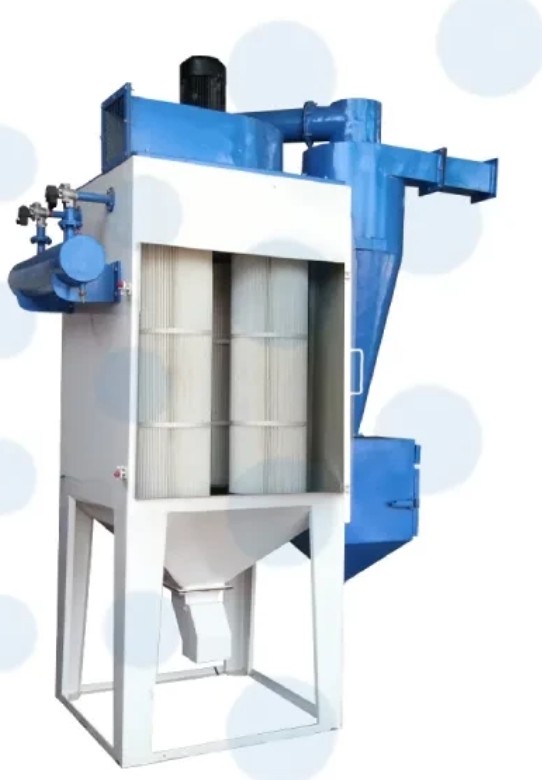
Cartridge Type
- Compact
- Easy Maintenance
- Low Pressure Drop
Bag Filter Type
- Low Initial Cost
- Need More Space
Weak dust systems reduce blast quality and operator safety.
Airflow rule
6 to 8 air changes per minute of cabinet volume.
Avoid Number of Ducting Bends.
Step 7. Loading and Unloading System
- Manual Loading
- Low Cost
- Low Output
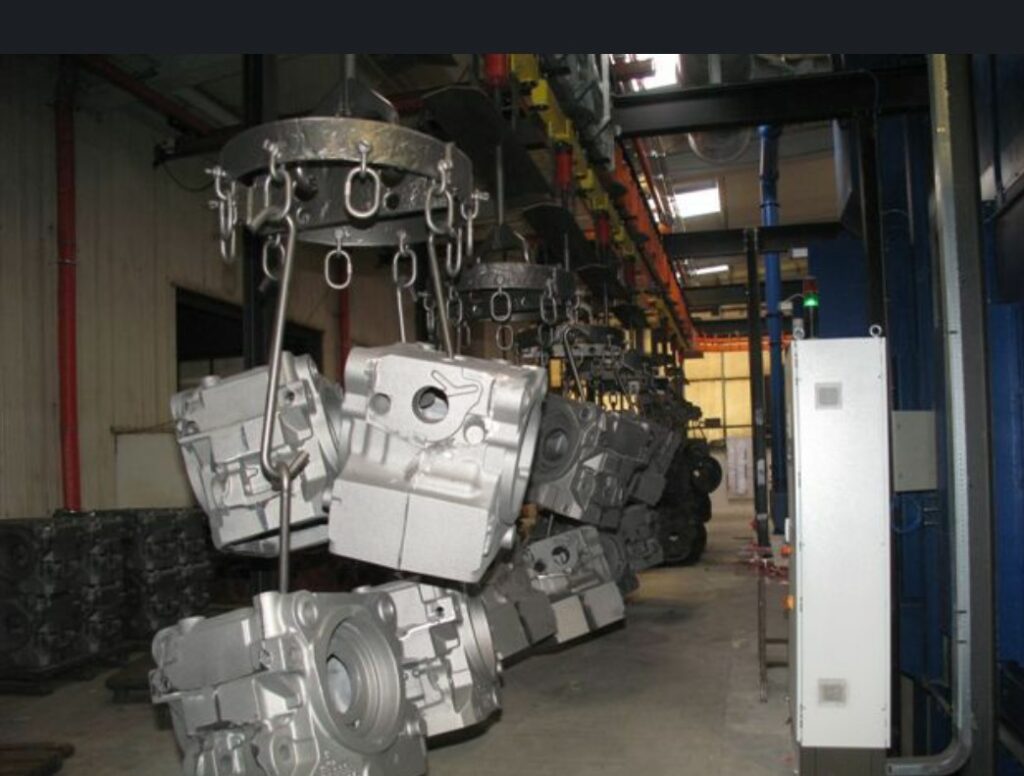
- Automatic Loading
- High Cost
- Stable Production
- Lower Labour
- Choose automation only for high daily volume.
Common Buying Mistakes
- Choosing only by lowest price
- Ignoring spare part cost
- Not checking liner thickness
- No dust collector calculation
- No service support check
- Final Supplier Checklist
- Approved machine drawing
- Turbine brand and rating
- Liner material and thickness
- Dust collector airflow value
- Electrical layout
- Written warranty
- Spare parts price list
Final Advice
- Select by output, not by quote.
- Match machine to daily production.
- Plan spares at purchase time.
- Insist on trial run before dispatch.
Frequently Asked Questions
Which shot blasting machine is best for valve castings?
Hanger type gives the best quality and controlled blasting.
Which abrasive is best for foundry?
castings Steel shot S230 or S330 for most applications.
How often should liners be replaced?
Based on usage. Average life is 12 to 24 months.
Trust Section
Machinery Insight serves the foundry industry in India with practical machine knowledge based on real field experience.
Call to Action
Need help selecting a shot blasting machine for your foundry. Contact Machinery Insight for technical guidance.
Pingback: How to Calculate Shot Blasting Cost per Component -
Dear, sir pl send exel sheet for shot blasting cost.